Before you adopt a dog: 10 things to check first
Housing rules, a first-year budget, a vet, supplies and a quiet first week: what to sort out before a dog comes home.
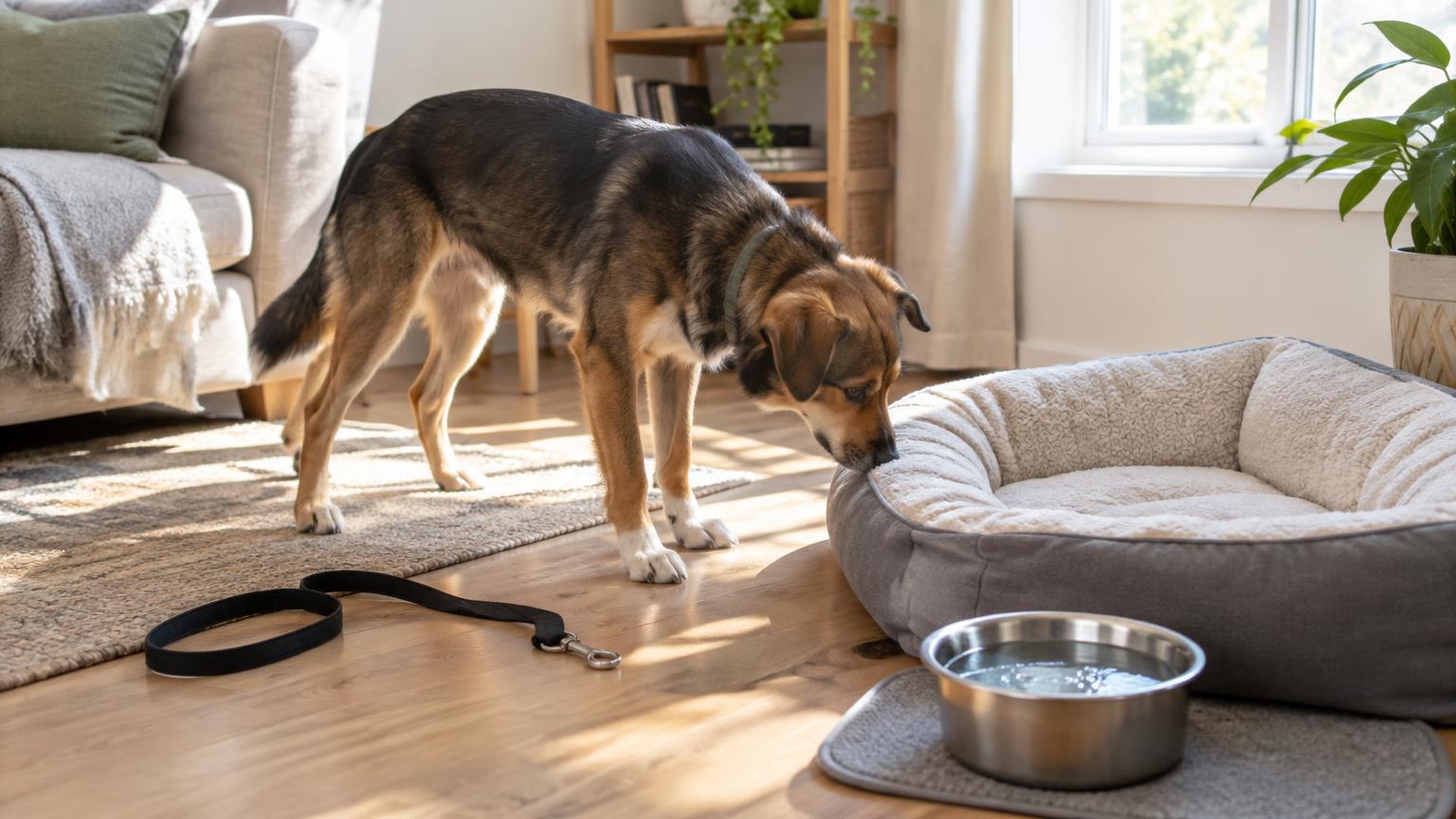
Ready when: your lease or HOA allows a dog, the first-year budget is set, a vet is lined up and the house is ready for a few quiet days at home.
A dog is a commitment that runs for years, and the first few weeks set the tone for the rest. This list draws on the ASPCA, the American Kennel Club and Humane World for Animals (formerly the Humane Society of the United States), checked in November 2026. Health and behavior questions belong with a veterinarian, who can see your dog and knows your area.
The Before List
- Confirm your housing allows a dog. Read the pet clause in your lease or your HOA rules for size, breed and number limits, plus any pet deposit or monthly fee.
- Agree on the house rules with everyone at home. Who walks, who feeds, where the dog sleeps, and which rooms and furniture are off limits.
- Budget for the first year. The ASPCA's 2021 estimate for a dog's first year was $3,221; treat older figures like this as a floor and price your local vet and shelter.
- Pick a veterinarian before the dog arrives. Book a checkup for the first week.
- Buy the basics. Collar with an ID tag, harness, 6-foot leash, bowls, bed, safe chew toys and a crate or playpen.
- Get a small bag of the food the dog eats now. Switch foods slowly later, not on day one.
- Dog-proof the house. Tuck away cords, close off risky rooms with gates, and move chewables, cleaning products and houseplants out of reach.
- Plan the arrival for a stretch when you're home. A weekend or a few days off gives the dog time to settle.
- Save the poison control number. ASPCA Animal Poison Control answers around the clock at (888) 426-4435; a fee may apply.
- Look at pet insurance now, not after a diagnosis. Many plans have waiting periods and exclude conditions that existed before you enrolled.
Why each one matters
Start with housing, because nothing else matters if the dog can't stay. Find the pet clause in your lease before you meet a single dog, and look for size or breed limits, a cap on the number of pets, a pet deposit and any monthly pet rent. If you're about to rent a new place, the checklist for signing a lease covers what to look for in the fine print.
House rules are easier to set before the dog arrives than to change after. Humane World for Animals suggests deciding as a household who walks the dog and how often, when it eats, whether it's allowed on the furniture, where it sleeps and which rooms are off limits. Settle it now so the dog hears the same answer from everyone.
The money adds up. The ASPCA's cost table, labeled a 2021 update, puts a dog's first year at $3,221 and later years at $1,391. Its one-time costs include spay or neuter ($300), initial vaccines and medical care ($300), a crate ($60), collar and leash ($60), microchipping ($20) and training ($200). Its yearly costs include food ($300), routine vet care ($225), heartworm and flea and tick prevention ($185) and pet insurance ($516), with professional grooming and dental care as possible extras. An older AKC article (updated January 2018) cites a University of Pennsylvania veterinary student study that put the first year at $3,085 on average, from $2,674 for a small dog to $3,536 for a giant breed. Both sets of numbers are years old, so use them to see which costs to expect and get current prices from your local vet, groomer and trainer. Adoption fees vary by shelter; the ASPCA notes they help pay for the veterinary care, spay or neuter surgery and vaccines the dog has already had, and some shelters run fee-waived events.
A vet lined up in advance means the first checkup isn't an afterthought. Humane World for Animals recommends a visit within a week of bringing the dog home for a general health check, vaccines and flea and tick prevention, and to arrange microchipping and spay or neuter if the shelter hasn't done them. Ask the vet about anything that worries you: a dog that won't eat, vomiting, diarrhea, limping, coughing, or behavior such as growling or snapping. Food choices, vaccine schedules and parasite prevention are vet questions too.
Humane World suggests a flat-buckle or martingale collar with an ID tag, a harness, a 6-foot nylon leash, food and water bowls, a bed and toys the dog is unlikely to swallow, avoiding rawhide. A crate should be roomy enough for the dog to stand up, turn around and sit comfortably. Gates help you close off rooms while the dog learns the house.
Keeping the current food, then mixing in a new one gradually, avoids an upset stomach.
Dog-proofing is about chewing and swallowing. The ASPCA suggests securing cords, windows and doors, removing things a pet could chew, and checking your houseplants, since some are poisonous to pets. Cleaning products, medicines and trash belong behind closed doors.
The arrival day matters because most dogs are overwhelmed by the move itself. Humane World suggests bringing the dog home on a weekend or when you can be home for a few days, and keeping the first week or longer calm and predictable, with set times for meals, walks and leaving the house. Skip dog parks, busy stores and a stream of visitors for now. The ASPCA uses the 3-3-3 guideline, the first 3 days, 3 weeks and 3 months, as a rough shape for how a dog settles. Every dog is different, so don't force contact with people or other pets. If you have another pet, keep its toys put away at first.
Pet insurance is a choice, not a requirement. If you want it, the ASPCA's advice is to look before health issues arise, since many plans have waiting periods and don't cover pre-existing conditions.
Countdown
Four weeks before
Check the lease or HOA rules. Talk through the house rules and the budget with everyone at home. Start looking at shelters and rescues, and ask each about its adoption fee and what it includes.
Two weeks before
Choose a vet and ask how soon they can see a new dog. Look at pet insurance if you want it. Buy the collar, ID tag, leash, harness, bowls, bed, crate and gates.
The week before
Dog-proof the house, room by room. Set up the crate or a quiet corner. Save the poison control number and the vet's number in your phone. Clear your calendar for the arrival days.
On the day
Bring the dog home with a small bag of its current food. Show it the quiet space, take it out to the same spot for bathroom breaks, and keep the house calm. Let the dog come to you.
The first week
See the vet. Keep meals, walks and departures on a steady schedule. Expect some house-training slips, and take the dog out every few hours. When you go out, leave a stuffed treat toy or puzzle feeder.
Mistakes people make
- Adopting before checking the lease. Read the pet clause first.
- Planning the arrival for a busy week. If you're flying out soon, see the holiday flight checklist and pick an adoption date after you're back.
- Changing food on day one. Start with what the dog already eats.
- Taking a new dog straight to the dog park. Give it quiet days first.
- Budgeting only for the adoption fee. Food, vet visits and prevention arrive every month.
- Waiting until something seems wrong to find a vet. Book the first checkup within the week.
Ready check
- Does your lease or HOA allow a dog of the size you're considering? If not, see item 1.
- Has everyone at home agreed who walks and feeds the dog? If not, see item 2.
- Can your budget cover the first year, including vet care? If not, see item 3.
- Is a vet appointment booked for the first week? If not, see item 4.
- Is the house dog-proofed, with a quiet space ready? If not, see items 5 and 7.
