Before you drive in snow and ice: a winter car checklist
Get the car, the emergency kit and your route ready before the first storm, and know what to do if you get stuck.
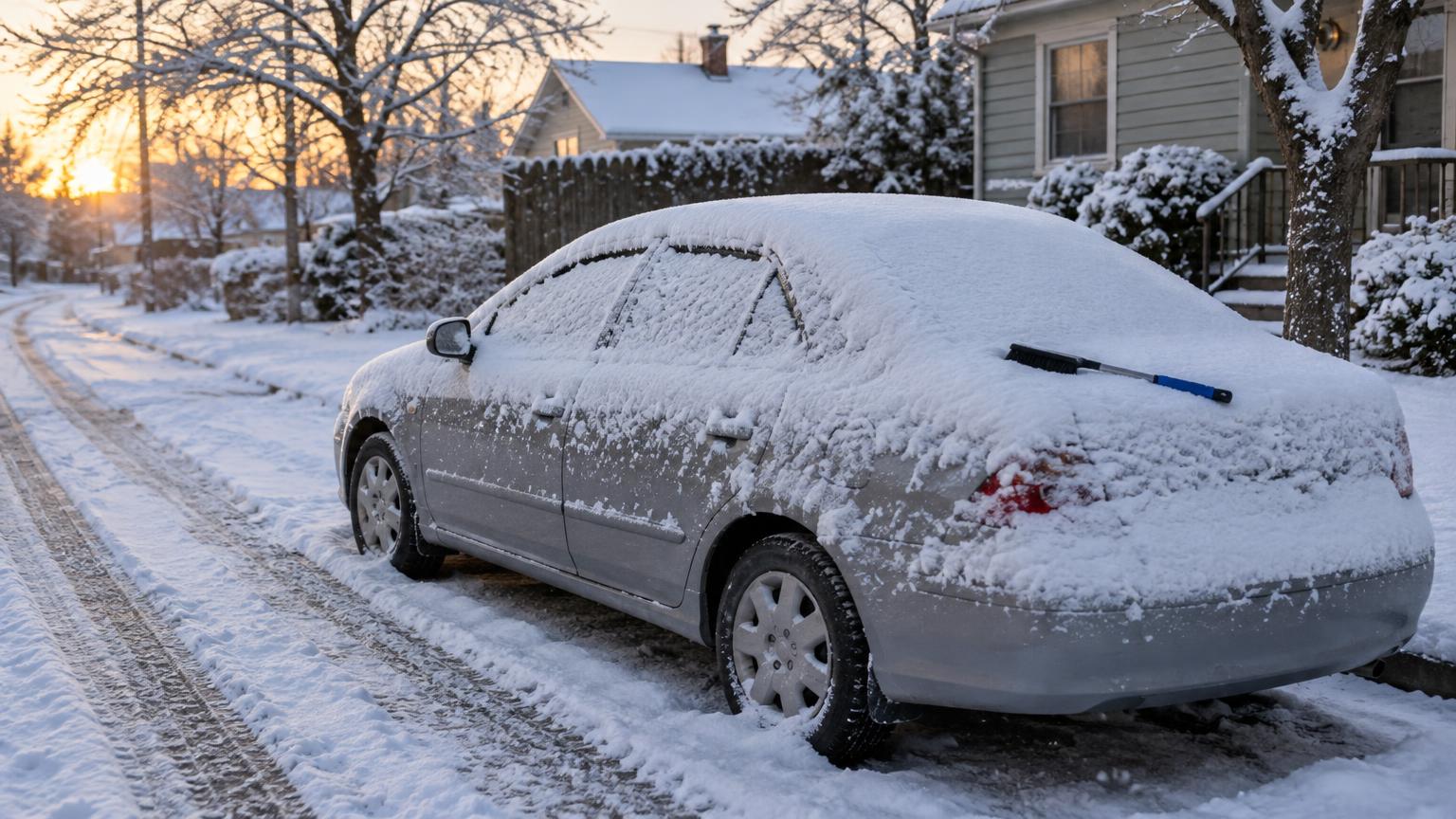
Ready when: the car has had its winter check, the emergency kit is in the trunk, the tank is at least half full and someone knows your route.
Winter roads catch people out on the first bad morning, and over Thanksgiving weekend (Thursday, November 26, 2026) and the late-December holidays plenty of us drive farther than usual. This list comes from the CDC, the National Weather Service and AAA, checked in November 2026. Work through it now, before the first storm, then repeat the short pre-trip part every time the forecast turns.
The Before List
- Get the car a winter check. Have the battery, antifreeze, oil, wipers and tires looked at before the cold arrives, by a shop or yourself.
- Check tread and tire pressure. Look for adequate tread and fill tires to the pressure your car's maker recommends; the CDC notes that is typically 30 to 35 psi.
- Swap in winter washer fluid. Replace what is in the reservoir with a wintertime mix.
- Test the heater, defroster, brakes and flashers. The CDC adds brake fluid, ignition and exhaust to the fall check.
- Pack the emergency kit. Blankets, warm layers, water, snacks, a flashlight with spare batteries, a phone charger, jumper cables, a scraper and brush, a shovel and something for traction such as sand, salt or cat litter.
- Keep the tank at least half full. AAA's rule is half a tank at all times in winter; the National Weather Service suggests full before a winter trip.
- Check the forecast and road conditions before you leave. Then decide whether the trip can wait.
- Tell someone your route. Give them your main route, a backup route and the time you expect to arrive.
- Clear every surface of snow and ice. Windows, lights, roof, hood and trunk, not just a peephole in the windshield.
- Drive slower and leave more room. AAA advises five to six seconds of following distance, gentle use of the gas and no cruise control on slippery roads.
Why each one matters
A winter check catches the failures that strand people. A battery that turns the engine over slowly in October may not start it at all on a cold morning, and worn wipers smear slush exactly when you need to see. The National Weather Service's own list for winterizing is short: battery, antifreeze, oil, wipers and tires. If you're not sure about any of them, a shop can test the battery and coolant quickly.
Tread and pressure decide how well the car grips and stops. Check them once the weather has turned cold rather than trusting a reading from summer, and fill to the pressure recommended for your car. Whether you need dedicated winter tires depends on where you live and how much snow your roads get, so ask a local tire shop if you're unsure.
Washer fluid gets used fast in winter, because road spray and salt film coat the windshield. Keep a spare jug in the trunk.
The kit is what turns a stuck car into an uncomfortable wait instead of a dangerous one. The CDC's version is the longest: it adds a battery-powered radio, a first-aid kit with any medicines you need, tow rope, tire chains, compressed air with sealant, hazard reflectors or flares, road maps, and waterproof matches with a can to melt snow. AAA adds food and water for pets if a dog rides along, which matters if you have a new one at home (see what to know before adopting a dog). You don't need everything on day one. Start with warmth, water, light, power for the phone and a way to dig out.
Fuel is heat. If you're stuck, the engine is your heater, and a half-empty tank runs out faster than you'd think. The National Weather Service also notes that a full tank helps prevent fuel line icing.
The forecast check is the cheapest item on the list. If a storm is coming in, the CDC's advice is that it's best to avoid traveling. Find out before the season starts whether your state's transportation department publishes a road-condition map or phone line, so you're not hunting for it in a storm.
Telling someone your route means that if you don't arrive, someone knows where to look and when to start worrying. The National Weather Service also suggests avoiding winter trips alone when you can.
Clearing the whole car protects you and the driver behind you. Snow left on the roof slides down over the windshield the first time you brake, and sheets of ice can fly off onto other cars at highway speed.
Slower and farther back is the habit that prevents most winter crashes. Stopping takes far longer on ice than on dry pavement, so AAA stretches following distance to five to six seconds. Press the gas gently to keep traction, and keep cruise control off on any slick surface so you're the one deciding when the car speeds up.
If you do get stuck, the National Weather Service's advice is to stay in the vehicle. Wind-driven snow can disorient you quickly once you walk away. Run the engine about 10 minutes each hour for heat, clear snow from the exhaust pipe first so fumes don't build up inside, and crack a window for fresh air while it runs. At night, switch on the dome light while the engine is running so rescuers can see you. Tie a bright cloth, red if you have one, to the antenna or door, and once the snow stops, raise the hood to show you need help. Avoid hard work like pushing the car or shoveling heavy snow. Move your arms, legs, fingers and toes now and then to stay warm, and watch for signs of hypothermia such as shivering, confusion and drowsiness.
Countdown
Before the first storm
Book or do the winter check, look at the tires, change the washer fluid and pack the kit. Save your state's road-condition page in your phone if it has one.
The week before a long drive
Look at the extended forecast and consider a backup day. Recheck tire pressure now that it's colder, and restock any snacks or water you used from the kit.
The night before
Fill the tank. Charge your phone and the spare battery pack. Send your route, backup route and expected arrival time to someone who isn't in the car.
On the day
Check the forecast and road conditions again. Clear the whole car, let the defroster clear the glass fully, and leave early enough that you never feel rushed.
Mistakes people make
- Clearing a small porthole in the windshield. Clear every window, the lights and the roof.
- Running on a low tank in cold weather. Treat half a tank as empty from November to March.
- Leaving the car to look for help. Unless a safe building is clearly in sight, the car is your shelter and the easiest thing for rescuers to find.
- Running the engine with a blocked tailpipe. Check and clear the exhaust before every warm-up cycle.
- Packing the kit and never checking it. Batteries die and water bottles freeze or get used; look through it each fall.
- Driving to the schedule instead of the weather. If you're traveling for the holidays and a storm lines up with your date, a later departure is usually the better call. If you're flying instead, the holiday flight checklist covers the airport side.
Ready check
- Has the car had its battery, antifreeze, oil, wiper and tire check this season? If not, start with item 1.
- Are the tires at the recommended pressure, with good tread? If not, see item 2.
- Is the emergency kit in the car, with blankets, water, light, a charger and a shovel? If not, see item 5.
- Is the tank at least half full? If not, see item 6.
- Does someone know your route and when you'll arrive? If not, see item 8.
